Introduction
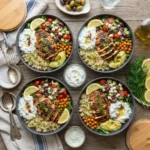
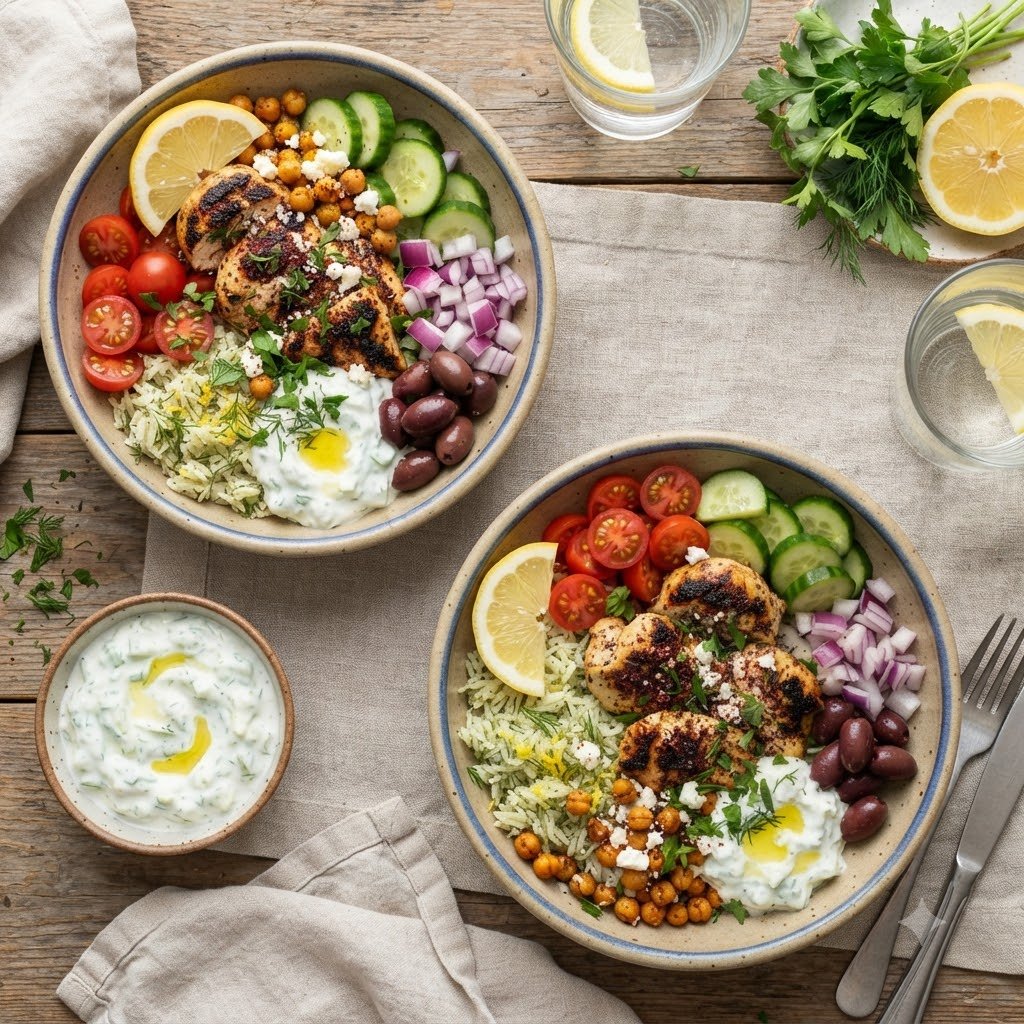
Welcome to the ultimate culinary journey through the sun-drenched coasts of the Mediterranean with our Mediterranean Lemon-Dill Chicken Bowls. This dish is not merely a meal; it is an experience that captures the essence of freshness, vitality, and robust flavor profiles that have defined Mediterranean cuisine for centuries. Imagine tender, juicy chicken thighs marinated in a zesty blend of fresh lemon juice, aromatic dill, and robust garlic, seared to perfection and nestled atop a bed of fluffy grains or crisp greens. Each bite offers a harmonious balance of tangy citrus, herbaceous notes, and savory richness, complemented by crunchy vegetables and creamy sauces.
In today’s fast-paced world, finding a meal that is both quick to prepare and nutritionally dense can be a challenge. These bowls bridge that gap effortlessly. They are designed for the home cook who values health without compromising on taste. Whether you are meal prepping for the week ahead, hosting a casual dinner party, or simply craving something light yet satisfying, this recipe delivers. The vibrant colors of the ingredients not only stimulate the appetite but also signal a powerhouse of nutrients waiting to fuel your body. Let’s dive deep into the world of flavors and discover how to master this iconic dish.
The History
The roots of the Mediterranean Lemon-Dill Chicken Bowl trace back to the diverse culinary traditions surrounding the Mediterranean Sea, spanning countries like Greece, Turkey, Lebanon, and Southern Italy. Historically, the Mediterranean diet was born out of necessity and geography, utilizing ingredients that grew abundantly in the region’s climate. Lemons have been cultivated in this region for thousands of years, prized not only for their flavor but also for their preservative qualities and vitamin content. They became a staple in marinades, used to tenderize meats and add brightness to heavy dishes.
Dill, too, holds a significant place in this culinary heritage. In Greek cuisine, known as “anothos,” it is frequently paired with fish, chicken, and yogurt-based sauces. The combination of lemon and dill is a classic pairing in Greek cooking, often found in dishes like Kotopoulo Me Lemoni (Lemon Chicken). The concept of the “bowl,” however, is a modern evolution. While traditional meals were served on platters with shared sides, the modern “grain bowl” or “power bowl” trend emphasizes portion control, balanced macros, and convenience. This recipe marries the ancient flavor profiles of the Mediterranean with the contemporary dining style of the nutrient-dense bowl, creating a dish that honors the past while serving the present.
Ingredients Breakdown
Understanding the role of each component in your Mediterranean Lemon-Dill Chicken Bowl is crucial for mastering the flavor profile. Here is a detailed analysis of why we choose specific ingredients:
The Protein: Chicken Thighs vs. Breasts
We recommend using boneless, skinless chicken thighs for this recipe. While chicken breasts are leaner, thighs contain a higher fat content which keeps them moist during cooking. They are more forgiving if slightly overcooked and absorb marinades more effectively due to their texture. However, if you prefer a leaner option, breasts can be used with adjusted cooking times.
The Acid: Fresh Lemon Juice
Bottled lemon juice often contains preservatives and lacks the vibrant aromatic oils found in fresh fruit. Freshly squeezed lemon juice provides the necessary acidity to break down protein fibers in the chicken, acting as a natural tenderizer. The zest is equally important, containing essential oils that impart an intense citrus aroma without the sourness of the juice.
The Herb: Fresh Dill
Dried dill simply cannot compare to the fresh variety in this application. Fresh dill weed has a grassy, slightly anise-like flavor that complements the lemon perfectly. It should be added towards the end of the marinating process or as a garnish to maintain its delicate structure and color.
The Fat: Extra Virgin Olive Oil
The backbone of Mediterranean cooking is high-quality Extra Virgin Olive Oil (EVOO). It provides a fruity, peppery base that carries the flavors of the garlic and herbs. It also helps in searing the chicken to achieve a golden-brown crust while keeping the interior juicy.
The Base: Quinoa or Brown Rice
To keep the bowl nutritious, we suggest whole grains. Quinoa is a complete protein and gluten-free, making it an excellent choice for health-conscious eaters. Brown rice offers a chewier texture and a nutty flavor that stands up well to the strong lemon-dill marinade.
Step-by-Step Recipe
Creating the perfect bowl requires attention to detail at every stage of the cooking process. Follow this narrative guide to ensure success.
Phase 1: The Marinade
Begin by preparing your marinade in a non-reactive bowl (glass or ceramic is best, as acid can react with metal). Whisk together the fresh lemon juice, olive oil, minced garlic, chopped fresh dill, salt, and black pepper. The emulsion should look slightly cloudy. Place your chicken thighs into a resealable plastic bag or a shallow dish and pour the marinade over them. Ensure every piece is coated thoroughly. Let this rest in the refrigerator for at least 30 minutes, though ideally 2 to 4 hours. This waiting period allows the acid to penetrate the meat and the flavors to meld.
Phase 2: The Base Preparation
While the chicken marinates, rinse your chosen grain (quinoa or rice) under cold water to remove excess starch. Cook according to package instructions, usually involving a 2:1 water-to-grain ratio. Once cooked, fluff with a fork and let it sit covered for five minutes. This step ensures the grains are separate and not mushy. You can stir a little lemon zest into the cooked grains to infuse them with extra citrus notes.
Phase 3: Cooking the Chicken
Remove the chicken from the refrigerator and let it come to room temperature for about 15 minutes. This promotes even cooking. Heat a large skillet or grill pan over medium-high heat. Add a drizzle of olive oil. Place the chicken in the pan, shaking off excess marinade. Sear for 5-7 minutes per side depending on thickness. You are looking for a deep golden-brown crust. Use a meat thermometer to ensure the internal temperature reaches 165°F (74°C). Once cooked, remove the chicken from the heat and let it rest for 5 minutes before slicing. Resting allows the juices to redistribute throughout the meat.
Phase 4: Assembly
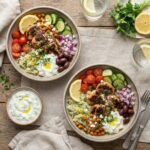
To assemble the bowls, start with a base of the warm grains. Slice the chicken against the grain for tenderness and arrange it on top. Add your chosen vegetables (cucumber, tomatoes, red onion). Drizzle with a yogurt sauce or extra olive oil and garnish with remaining fresh dill and lemon wedges.
Tips
- Marinating Time: Do not marinate the chicken in lemon juice for more than 24 hours. The high acidity can begin to “cook” the meat (ceviche style), resulting in a mushy texture.
- Zesting Technique: When zesting the lemon, avoid the white pith underneath the yellow skin. The pith is bitter and can ruin the flavor profile of your dish. Use a microplane for fine zest.
- Pan Temperature: Ensure your pan is hot before adding the chicken. If the pan is too cool, the chicken will steam rather than sear, preventing the formation of the flavorful Maillard reaction crust.
- Meal Prep Friendly: This recipe is excellent for meal prep. Store the components separately (grains, chicken, veggies, sauce) in airtight containers. Assemble just before eating to prevent the greens from wilting.
- Leftover Usage: Leftover chicken can be shredded and used in wraps, salads, or mixed into pasta for a quick lunch the following day.
Variations and Customizations
One of the greatest strengths of bowl recipes is their adaptability. Here are several ways to customize your Mediterranean Lemon-Dill Chicken Bowl to suit dietary needs or flavor preferences:
Vegetarian and Vegan Options
To make this dish plant-based, substitute the chicken with chickpeas or firm tofu. For chickpeas, roast them with the same lemon-dill seasoning until crispy. For tofu, press out the moisture, cube it, and pan-fry until golden. You can also use tempeh for a heartier texture.
Low-Carb and Keto
If you are monitoring carbohydrate intake, swap the grain base for cauliflower rice or a bed of mixed leafy greens like spinach, arugula, or kale. This significantly reduces the carb count while increasing the volume of vegetables.
Spicy Kick
For those who enjoy heat, add a pinch of red pepper flakes or a dash of harissa paste to the marinade. You can also top the finished bowl with sliced fresh jalapeños or a drizzle of chili oil.
Dairy-Free Sauce
The traditional accompaniment is often a tzatziki sauce made with yogurt. To make this dairy-free, use a coconut-based yogurt or blend silken tofu with lemon, garlic, and cucumber to create a creamy, tangy alternative.
Additional Toppings
Enhance the texture and flavor by adding Kalamata olives, crumbled feta cheese, toasted pine nuts, or sliced avocado for added creaminess and healthy fats.
Health Considerations and Nutritional Value
The Mediterranean Lemon-Dill Chicken Bowl is not just delicious; it is a nutritional powerhouse aligned with the principles of the Mediterranean Diet, often cited as one of the healthiest eating patterns in the world.
Macronutrient Balance
This bowl offers a complete profile of macronutrients. The chicken provides high-quality lean protein essential for muscle repair and satiety. The whole grains offer complex carbohydrates that provide sustained energy release rather than a sugar spike. The olive oil and optional avocado or nuts contribute healthy monounsaturated fats which are vital for heart health and nutrient absorption.
Micronutrients and Vitamins
Lemons are rich in Vitamin C, an antioxidant that supports the immune system and skin health. Dill contains vitamins A and C, as well as minerals like manganese. The vegetables add fiber, potassium, and various phytonutrients that combat inflammation.
Heart Health
The use of olive oil instead of butter or processed vegetable oils supports cardiovascular health by helping to maintain healthy cholesterol levels. The high fiber content from the grains and vegetables aids in digestion and helps regulate blood sugar levels.
Caloric Considerations
Depending on the portion size of grains and sauces, a standard bowl ranges between 450 to 600 calories. This makes it suitable for a main meal within a weight management plan, providing high volume and satiety without excessive caloric density.
Ingredients
- Chicken: 1.5 lbs boneless, skinless chicken thighs
- Lemon: 2 large lemons (juiced and zested)
- Herbs: 1/2 cup fresh dill, finely chopped (plus more for garnish)
- Garlic: 4 cloves, minced
- Olive Oil: 1/4 cup Extra Virgin Olive Oil (divided)
- Grain Base: 1 cup uncooked quinoa or brown rice
- Vegetables: 1 cup cherry tomatoes (halved), 1 cucumber (diced), 1/4 red onion (thinly sliced)
- Seasoning: 1 teaspoon sea salt, 1/2 teaspoon black pepper
- Optional Sauce: 1 cup Greek yogurt mixed with cucumber and garlic (Tzatziki)
- Optional Toppings: Feta cheese, Kalamata olives, pine nuts
Directions
- Prepare the Marinade: In a small bowl, whisk together the juice of 1.5 lemons, 2 tablespoons of olive oil, minced garlic, half of the chopped dill, salt, and pepper.
- Marinate Chicken: Place chicken thighs in a bowl or bag, pour the marinade over them, and coat evenly. Refrigerate for at least 30 minutes, up to 4 hours.
- Cook the Grains: Rinse the quinoa or rice. Cook according to package instructions using water or chicken broth for added flavor. Fluff with a fork and stir in the zest of half a lemon.
- Prep Vegetables: While grains cook, wash and chop the tomatoes, cucumber, and red onion. Set aside in a bowl.
- Cook the Chicken: Heat the remaining olive oil in a large skillet over medium-high heat. Remove chicken from marinade (discard excess liquid). Sear chicken for 6-7 minutes per side until golden and internal temperature reaches 165°F.
- Rest and Slice: Transfer chicken to a cutting board and let rest for 5 minutes. Slice into strips or bite-sized pieces.
- Assemble Bowls: Divide cooked grains among serving bowls. Top with sliced chicken and prepared vegetables.
- Garnish and Serve: Drizzle with tzatziki or olive oil. Sprinkle with remaining fresh dill, optional feta, olives, and serve with lemon wedges on the side.
FAQ
Can I use frozen chicken for this recipe?
Yes, but you must thaw the chicken completely in the refrigerator before marinating. Marinating frozen chicken will result in uneven flavor absorption and can lead to food safety issues if the center remains too cold during cooking.
How long will leftovers last in the fridge?
Stored in an airtight container, the cooked chicken and grains will last for 3 to 4 days. Keep the vegetables and sauces separate if possible to maintain freshness and texture.
Can I freeze the marinated chicken?
Absolutely. You can freeze the chicken in the marinade for up to 3 months. Thaw it in the refrigerator overnight before cooking. Note that the texture of the vegetables used in the bowl (like cucumber) does not freeze well.
What can I substitute for dill?
If you dislike dill, fresh parsley, oregano, or mint are excellent Mediterranean alternatives. Parsley offers a cleaner taste, while oregano provides a more pungent, earthy flavor.
Is this recipe gluten-free?
Yes, provided you use a gluten-free grain like quinoa or rice and ensure your sauces (like soy sauce if added, or broth) are certified gluten-free. The core ingredients are naturally gluten-free.
Summary
Mediterranean Lemon-Dill Chicken Bowls combine zesty citrus, aromatic herbs, and lean protein for a healthy, flavorful meal.
Perfect for meal prep, this dish offers a balanced mix of nutrients with customizable toppings to suit any dietary preference.